 Myron Wittmer●
Collaboration In Software Should Feel Normal
Legacy software made collaboration feel like a workaround. Grainwork is meant to change that by letting the whole job live in one place, so your team, your customer, and even outside drafters can all work from the same source of truth instead of chasing “final_final_v18.pdf.”
Software should help people work on the same job without turning it into a mess.
If two people can move a project forward at the same time, the job moves faster. If everyone can see what is happening, there is less guessing, less duplicate work, and fewer ugly surprises at the end.
That matters inside the shop, and it matters outside the shop too.
A lot of shops already outsource parts of the work when they get busy. Doors, drawers, finishing, CAD work. That is not unusual anymore. Drafting is heading the same direction.
The key is not whether you outsource. The key is whether you still own the source of truth.
That is part of what we want Grainwork to do better.
Not just store a file. Not just produce a PDF.
We want it to be the place where the job lives, where people can work together, and where the shop can bring in outside help without losing control of the job.
1. Legacy software treated collaboration like an exception
Most older systems were built for one person to own the job file. If somebody else needed to help, it usually meant exporting, emailing, merging, or hoping nobody overwrote anything.
That is not collaboration. That is damage control.
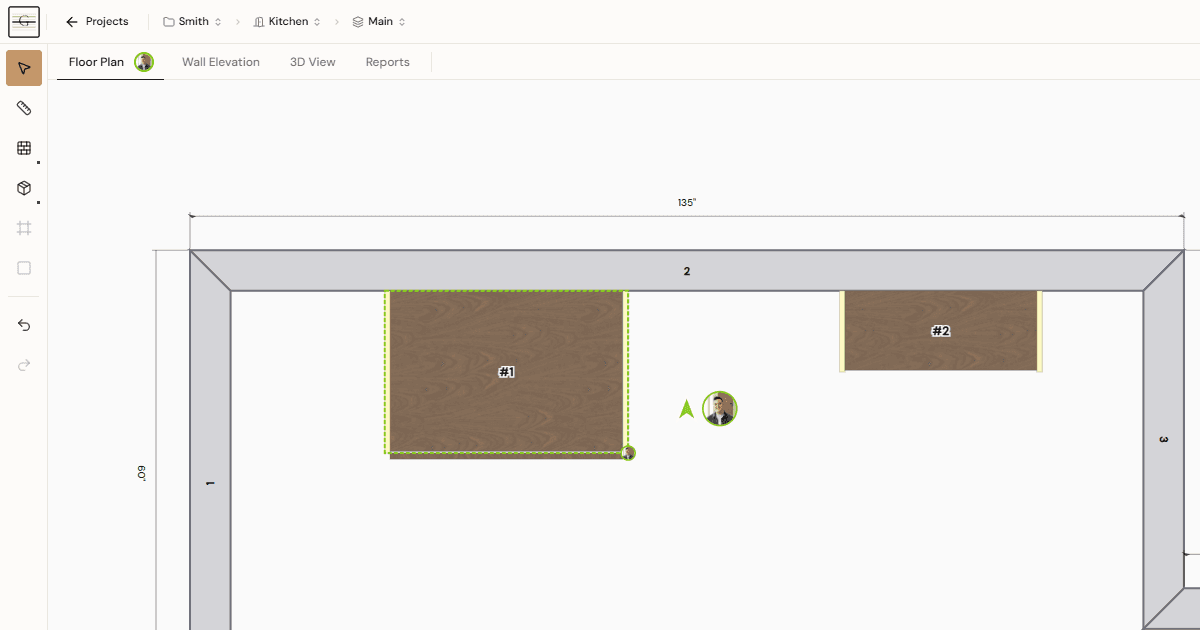
2. Real collaboration lets more than one person move the job
If one person is detailing and another is checking hardware, both should be able to work without blocking each other.
Even simple visibility helps. You should be able to see who is working on what, what changed, and what still needs attention.
3. Shops need one source of truth, not another final-final PDF
The real problem is not just file sharing.
It is version chaos.
Every shop has seen the “v18 final final revision PDF” problem. One file lives in email. Another lives on a desktop. The customer has an older copy. The drafter has a newer one. Nobody is sure which version is right.
Links and sharing portals fix that by making one living source the thing everyone looks at.
4. Outsourced drafting is going to keep growing
Shops already outsource work when they are stretched thin. Drafting will keep becoming part of that pattern.
That is fine as long as the shop stays in control.
You may let a third party drafter work inside your platform, but you should still own the project, the data, and the system.
5. Think about it like bookkeeping
Plenty of businesses hire a bookkeeper, but they do not hand over the ledger and walk away.
They still own QuickBooks. The bookkeeper just works inside it.
Drafting should work the same way. The outside drafter can help, but the shop still owns the platform and can step in at any time.
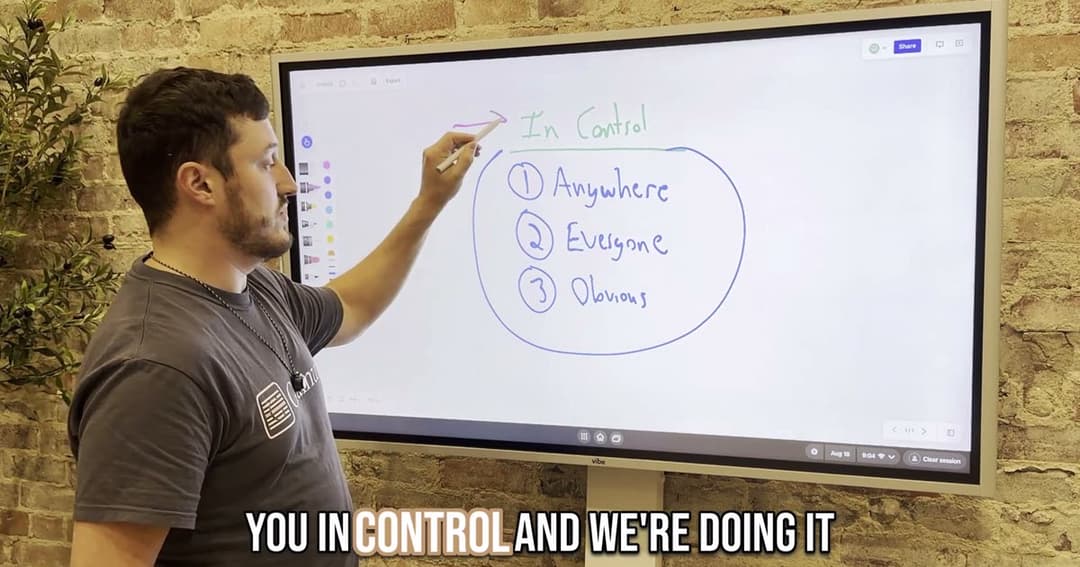
6. Collaboration and control need to live together
The point is not to give up ownership for speed.
The point is to get speed without losing control.
That is where Grainwork needs to be different.
It should support two people working at once, and it should also support outside drafters, shared links, and portals that keep everyone looking at the same job.
The old model made collaboration awkward.
The better model makes it normal.
Shops need software that lets people work on the same job at the same time, see what is happening, share the right version with the right people, and bring in outside help without losing control of the source of truth.
That is the direction Grainwork is trying to move in.
If software cannot handle that, it is going to feel more and more outdated.

Myron Wittmer
Myron Wittmer is the founder of Grainwork and a cabinet software consultant. He’s spent years helping cabinet shops fix broken setups, untangle workflow problems, and get more control over the systems they rely on. Grainwork is his attempt to build the cabinet software he kept wishing he could recommend.